Newsletter Subscribe
Enter your email address below and subscribe to our newsletter

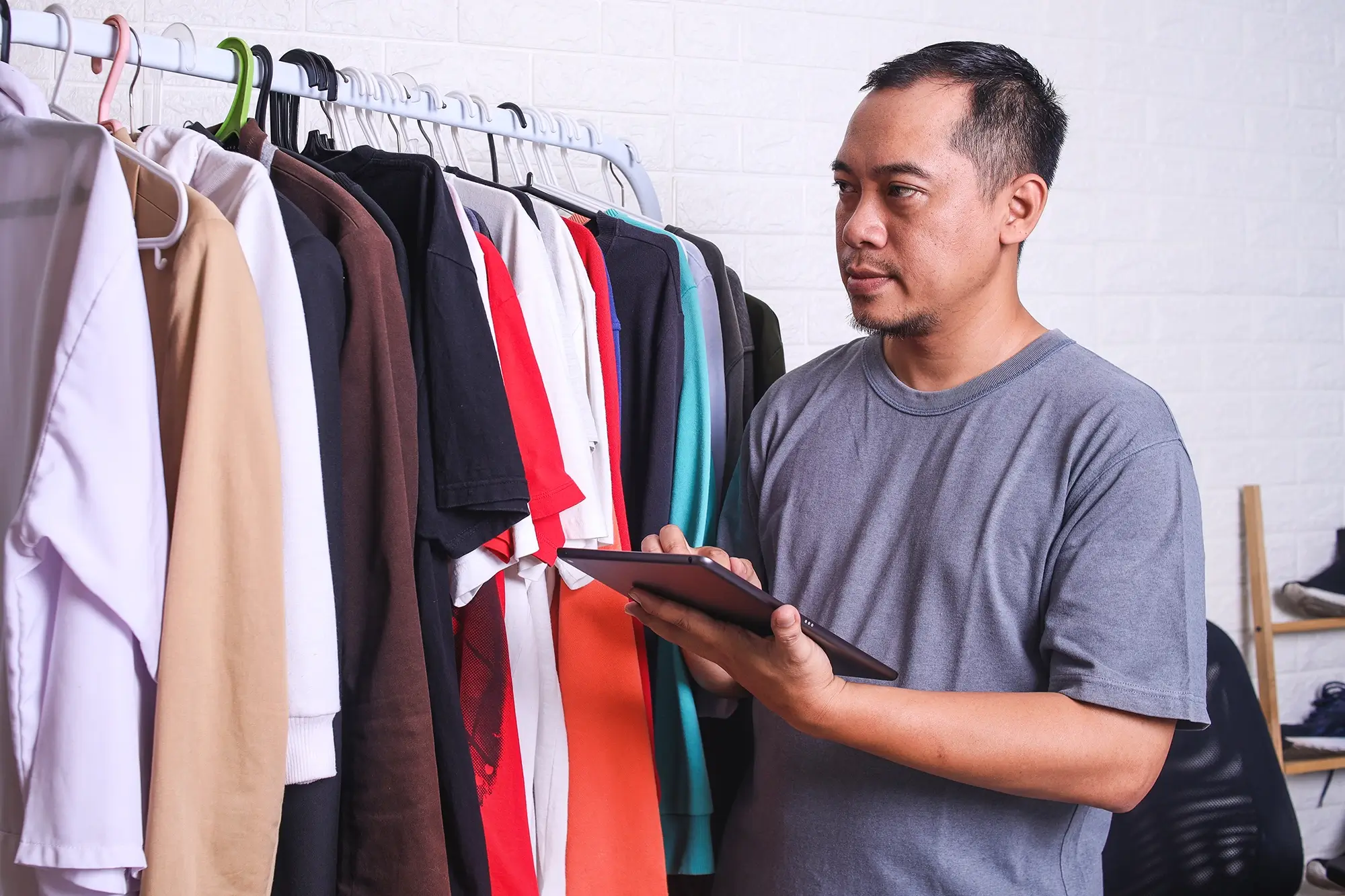
Workwear clothing directly affects how employees perform their duties, and organizations that overlook this connection often see the consequences reflected in safety incidents, reduced productivity, or higher turnover among physically demanding roles. Quality workwear clothing supports workers by providing protection, mobility, and comfort throughout long shifts, all of which contribute to better outcomes across a workforce.
Treating workwear clothing as a strategic investment rather than a routine expense allows organizations to make more informed purchasing decisions. Rather than defaulting to the lowest cost option available, procurement teams that evaluate workwear clothing against actual job demands tend to see better long-term results in both worker satisfaction and operational efficiency.
Heavy duty work clothes play a direct role in injury prevention across physically demanding industries. Reinforced knees reduce strain during kneeling tasks, abrasion-resistant panels protect against cuts and scrapes from rough surfaces, and properly ventilated fabrics help prevent overheating during strenuous activity in warm conditions.
Beyond the fabric itself, features like reflective striping on heavy-duty work clothes improve visibility for workers operating near vehicles or machinery, particularly during early morning or evening shifts with reduced natural light. These design elements, while sometimes overlooked during initial sourcing, contribute meaningfully to overall workplace safety outcomes.
Beyond the immediate physical benefits, heavy-duty work clothes also affect how quickly workers can complete tasks safely. Freedom of movement in properly constructed garments allows for natural bending, reaching, and lifting motions without the restriction that comes from ill-fitting or overly stiff materials, which can slow down work or lead to compensatory movements that increase strain over a full shift.
Professional workwear affects more than physical safety. Employees who feel well equipped and professionally presented in their work attire often report higher confidence and job satisfaction compared to those wearing ill-fitting or visibly worn-out clothing. This effect can influence customer perceptions as well, particularly in client-facing roles where professional workwear contributes directly to a company’s public image.
Organizations that invest in professional workwear for their teams frequently find that the visible quality of employee apparel becomes an extension of the broader brand, reinforcing a sense of competence and reliability to customers who interact with staff on job sites or during service calls.
Outdoor workwear needs to accommodate a wide range of weather conditions, particularly for organizations whose staff work across multiple seasons without the benefit of indoor climate control. Layering systems built around a core set of outdoor workwear pieces allow workers to adjust for temperature swings without requiring an entirely separate wardrobe for each season.
Moisture management also plays a significant role in outdoor workwear performance. Fabrics that wick sweat away from the body during warmer months while retaining insulation during cooler periods help maintain consistent comfort levels across a wider range of conditions than single-purpose garments designed for only one type of weather.
Construction workwear faces some of the most demanding standards among all workwear categories, given the combination of physical hazards present on most job sites. Protective clothing rated for impact resistance, along with reinforced construction in high wear areas, helps reduce injury risk while extending the usable lifespan of garments exposed to daily wear and tear on active construction sites.
Organizations managing construction teams should verify that any protective clothing selected meets relevant safety standards for their specific region and industry, since requirements can vary depending on local regulations and the specific hazards present at a given job site.
Sourcing workwear clothing at scale requires a supplier capable of maintaining consistent quality and availability across recurring orders, particularly for organizations managing large or growing workforces. Inconsistent sizing or fabric quality between orders can create confusion and frustration among staff relying on properly fitted protective clothing for their daily tasks.
Simplstc Apparel supports organizations seeking dependable access to workwear clothing suited for demanding job site conditions, helping businesses maintain consistent quality across ongoing bulk orders throughout the year.
For organizations looking for a well-established, trusted option within their workwear program, Carhartt Clothing continues to be recognized across multiple industries for its combination of durability, safety-oriented design, and long-standing reputation among physically demanding professions.
See also: Find Flexible Furnished Housing for Short and Long Stays in Los Angeles
Even the highest quality workwear clothing performs better and lasts longer when employees understand how to care for it properly. Simple guidance on washing temperatures, drying methods, and storage can meaningfully extend the lifespan of heavy-duty work clothes, reducing the frequency and cost of replacement across a large workforce over time.
Organizations that include basic care instructions as part of onboarding or distribution, rather than assuming employees already know best practices, often see better long-term results from their workwear investment. This is particularly relevant for specialized items like flame-resistant or high-visibility protective clothing, where improper washing can sometimes degrade the very properties that make the garment safe to use.
Workwear needs can shift over time as job responsibilities evolve, regulations change, or new hazards are identified on a job site. Organizations that periodically review their outdoor workwear and protective clothing programs, rather than treating initial sourcing decisions as permanent, are better positioned to adapt quickly when conditions or requirements change.
Soliciting feedback directly from employees who wear the workwear clothing daily also provides valuable insight that procurement teams may not otherwise capture. Workers often notice practical issues, such as pocket placement or fabric breathability, well before these details become apparent through formal review processes alone.
Quality workwear clothing incorporates features like reinforced stitching, reflective elements, and abrasion-resistant panels that directly reduce the risk of injury during physically demanding tasks.
Professional workwear contributes to employee confidence and can influence customer perceptions, particularly in client-facing roles where the visible quality of staff apparel reflects on the broader organization.
Layering allows workers to adjust for temperature changes across seasons without requiring an entirely separate wardrobe, making outdoor workwear more practical and cost-effective over the course of a year.
Organizations should verify that protective clothing meets relevant regional and industry-specific safety standards before selecting construction workwear for their teams.
Working with an established wholesale supplier that maintains consistent sizing, fabric quality, and availability across orders helps organizations avoid the disruptions caused by inconsistent bulk workwear purchases.